
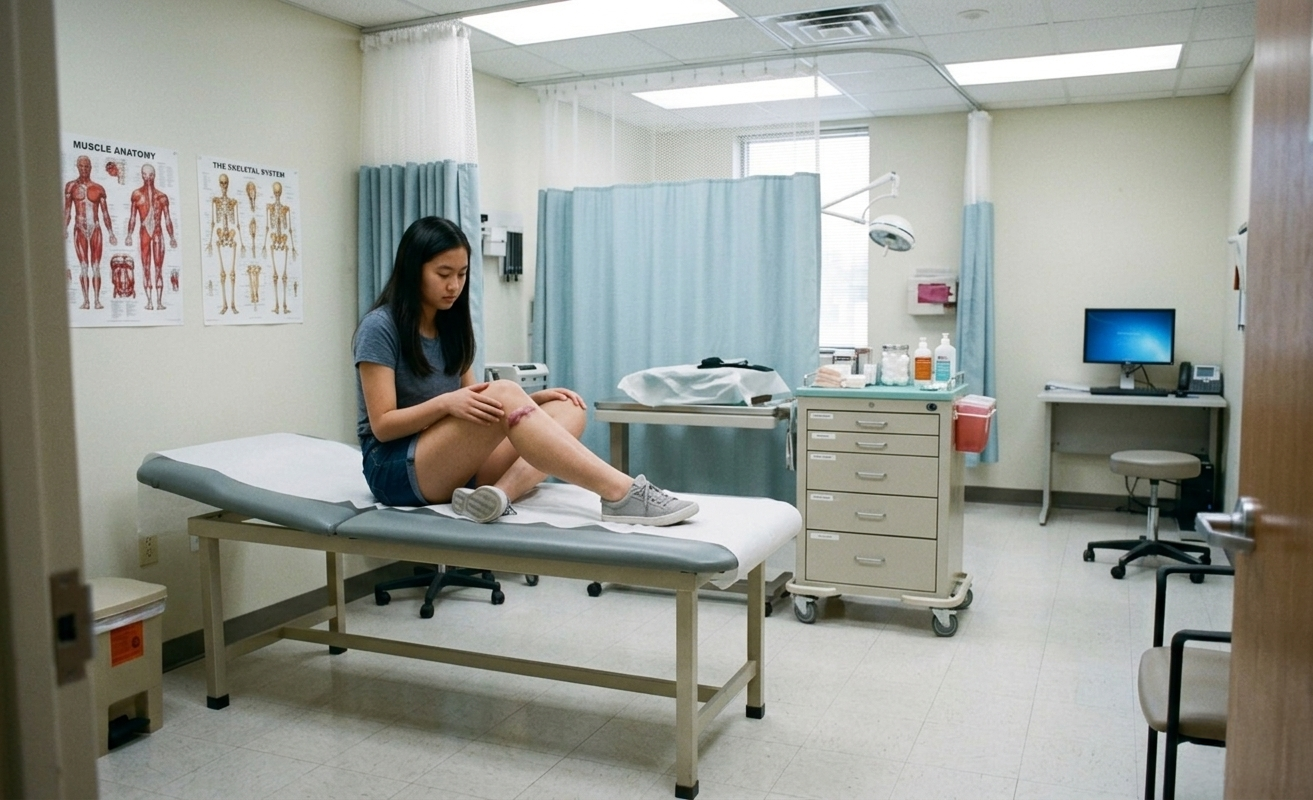
What to Do When Keloids Appear? Girls’ Complete Guide to Early Prevention & Daily Management

Keloids are one of the most feared skin problems for many girls.
Unlike normal scars, they don’t just stay flat — they turn red, swollen, and slowly grow raised like uncontrollable lumps of tissue. This can seriously affect appearance and confidence, especially on high-risk areas like the chest, shoulders, earlobes, and jawline. Many girls worry they won’t be able to wear off-shoulder or backless outfits in summer, or even earrings.
Although keloids are stubborn, they are not completely uncontrollable. The key is early detection, correct early management, and consistent daily care. Below is a step-by-step guide starting from why girls are more prone to keloids, so you can face and prevent them confidently.
Why Are Girls More Prone to Developing Keloids?

Keloid formation is closely linked to genetics, personal constitution, and hormones. Girls tend to have more active collagen metabolism, and hormonal changes during puberty, pregnancy, or periods of high stress can make fibroblasts overwork and produce excessive collagen.
Common high-risk areas include the centre of the chest, shoulders, earlobes, and jawline. These areas have thinner skin and are more easily irritated by friction or injury, making them more likely to trigger keloids. Understanding your own risk factors is the first step in prevention.
Don’t Ignore Early Signs of Keloids! 3 Warning Signals to Watch For
The scariest thing about keloids is that they keep growing. However, catching them early greatly increases your chances of controlling them. Here are 3 clear warning signs you must not miss:
Warning Sign 1: The wound suddenly turns red and hard after healing
A previously flat scar or acne spot becomes red, shiny, and firm with clear edges 2–4 weeks after healing.
Warning Sign 2: The scar grows beyond the original wound boundary
Normal scars should stay within the original wound area. If the scar starts spreading into surrounding skin, it is a classic sign of keloid formation.
Warning Sign 3: Persistent itching or mild pain
Keloids often cause itching or slight pain while growing — this is a sign of active inflammation. Never ignore it.
If you notice any of these signs, consult a doctor or dermatologist as soon as possible. Early intervention gives the best results.
What to Do If a Keloid Has Already Appeared? Correct Early Management
If a keloid has started forming, stay calm and avoid pressing, squeezing, or rubbing the area. Early action is crucial:
-
Immediately stop any irritating behaviour (no picking, squeezing, or rubbing)
-
Suggest combining treatment with a low-irritation repair product to control inflammation and soften tissue
-
Avoid direct sunlight and tight clothing that causes friction
The earlier you act, the higher the chance of successfully controlling keloid growth.
Daily Management & Prevention of Recurrence – 3 Must-Do Things for Girls
Keloids have a high tendency to recur, so long-term management is more important than one-time treatment. Here are 3 essential things every girl should do:
First: Daily Low-Irritation Care
Use gentle, non-irritating cleansers and moisturisers daily. Avoid products containing alcohol or strong acids. Choose repair products specially designed for sensitive skin and keloid-prone skin to reduce recurrence risk.
Second: Strict Sun Protection & Anti-Friction Measures
UV exposure and mechanical friction are two major triggers for keloid recurrence. Always apply physical sunscreen when going out and avoid tight clothing that rubs against scarred areas.
Third: Maintain Emotional Stability and Healthy Lifestyle Habits
High stress, lack of sleep, and poor diet can worsen inflammation. Get enough sleep, drink plenty of water, and reduce spicy and sweet foods to help lower the risk of keloid recurrence from within.
Recommended Low-Irritation Repair Product for Keloid-Prone Skin

For girls with keloid-prone skin, product choice is especially important. Traditional silicone gels are common, but their sticky and occlusive nature can worsen heat and inflammation.
Herbap Matrix Scar Repair Gel is a trusted choice for many girls with keloid-prone skin. It uses DSM cell-directed formulation and SDAA antibacterial formulation, offering 8 major benefits including inhibiting scar tissue proliferation, softening tissue, fading scars, accelerating repair, and being low-irritation and safe. Its lightweight and breathable texture makes it ideal for long-term use and can effectively help control keloid growth while reducing recurrence risk.
Many girls have reported noticeable improvement in redness and raised areas after using it alongside medical treatment, making daily care much more reassuring.
You Are Not Alone When Facing Keloids
Keloids can be frightening, but with early detection, correct handling, and consistent daily management, most girls can effectively control their development and regain confidence.
If you are currently troubled by keloids or want to prepare in advance, we strongly recommend Herbap Matrix Scar Repair Gel. It uses DSM cell-directed formulation and SDAA antibacterial formulation, offering 8 major benefits including inhibiting scar tissue proliferation, softening tissue, fading scars, accelerating repair, and being low-irritation and safe. It is specially designed to help manage scars and restore confident, smooth skin.
For more keloid prevention tips and daily management advice, feel free to explore the Health Resources section on Herbap Matrix. Let’s work together to restore confident, scar-free skin.
Share:
How Much Does Scar Fading Really Cost? Honest Budget & Value Analysis for Girls
Most Asked Scar-Fading Q&A: All Your Questions Answered