
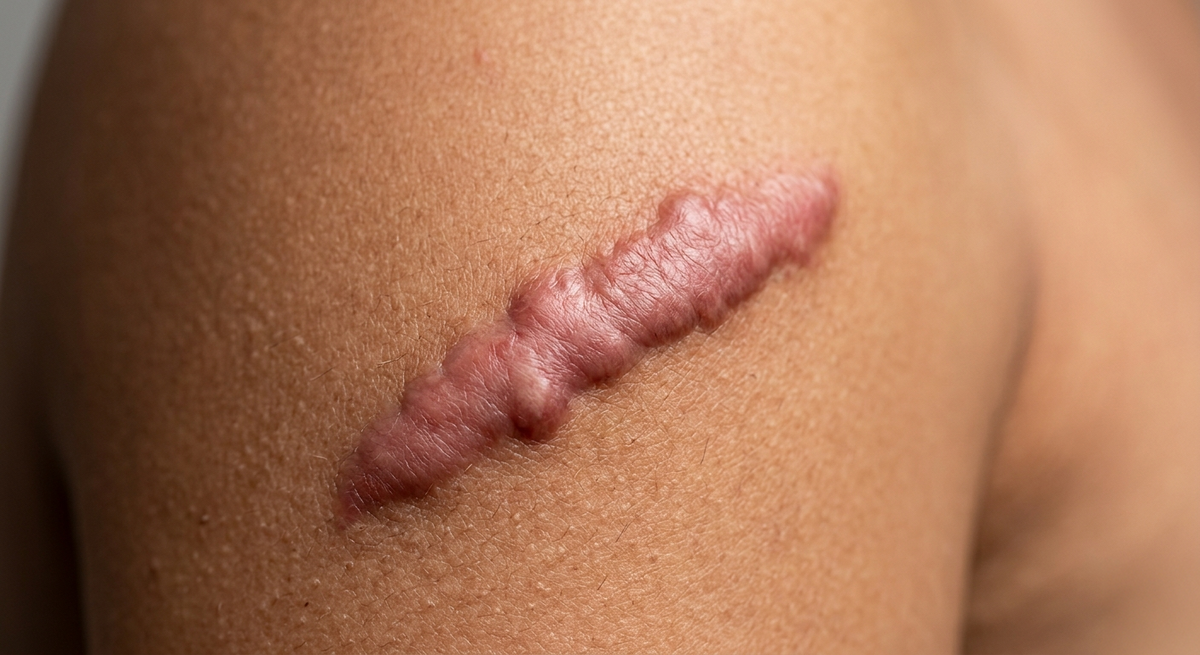
Most Asked Scar-Fading Q&A: All Your Questions Answered

Scar fading can feel full of doubts and uncertainty for many girls.
When is the best time to start using scar gel? Are acne marks and wound scars treated the same way? Can sensitive skin use scar products safely? These are questions almost every girl who wants to fade scars has asked.
Today, we’ve gathered the most common scar-fading questions and answered them in the clearest way possible, so you can avoid unnecessary mistakes and take your first confident step towards smoother skin.
When Is the Best Time to Start Using Scar Gel for Best Results?
Timing is one of the biggest concerns for many girls. Using it too early may irritate the skin, while starting too late might mean missing the optimal recovery window.
Answer: Generally, the best time to start using scar gel is when the wound has fully closed, scabs have naturally fallen off, and there is no open wound or significant redness. This is usually 7–14 days after injury or treatment (depending on your healing progress). At this stage, the skin enters the early remodelling phase, and using scar gel can more effectively inhibit scar tissue growth, help fade colour, and improve texture. If you wait until the scar is already prominently raised, it will take longer and the results may be slower.
What’s the Difference Between Acne Marks and Wound Scars? Do They Need Different Methods?

Many girls are unsure whether acne marks and wound scars should be treated the same way.
Answer: Acne marks are mainly post-inflammatory pigmentation (red or dark marks) caused by excess melanin. Wound scars, on the other hand, result from damage to the dermis layer and can appear as depressed or raised tissue. Because their causes are different, the focus of care also differs. Acne marks need stronger emphasis on fading pigmentation and moisturising, while wound scars require focus on inhibiting scar tissue growth and softening the tissue. The best approach is to choose a low-irritation formula that can handle both pigmentation fading and scar growth control at the same time.
Can Sensitive Skin Use Scar Gel? Will It Irritate the Skin?
This is one of the most frequently asked questions by girls with sensitive skin.
Answer: Yes, sensitive skin can use scar gel, but you must choose a truly low-irritation product. Traditional silicone-based gels tend to be thick and can cause stuffiness or itching. Products suitable for sensitive skin should be lightweight, breathable, and have a gentle formula, preferably with clinical support. It’s recommended to do a small patch test on the inner wrist or behind the ear for 24 hours first. If there is no stinging or redness, you can use it safely. With the right product, sensitive skin girls can fade scars without worsening skin sensitivity.
How Long Does It Take to See Results from Scar Fading? Real Girls’ Experiences

Many girls want to know exactly how long it takes to see visible changes.
Answer: Results vary from person to person. For mild acne marks or new wound scars, you may start seeing colour fading after 4–8 weeks of consistent use. More obvious or older scars usually need 3–6 months or longer to show clear improvement. Many girls share that in the first month, the skin feels smoother and more comfortable. From the second to third month, the colour starts to lighten. By the fourth month, the texture also gradually improves. The most important thing is to use it daily and not give up halfway.
What Common Mistakes After Injury Can Lead to Worse Scarring?
Many girls unintentionally make their scars worse because of small habits after injury or treatment.
Common mistakes include:
-
Picking or rubbing scabs before the wound has fully healed
-
Skipping sun protection, allowing UV rays to worsen pigmentation
-
Using products with strong acids or whitening ingredients too early
-
Allowing long-term friction on the scarred area (e.g. backpack straps or tight clothing)
-
Not moisturising enough, causing prolonged dryness and inflammation
Avoiding these mistakes can significantly reduce the chance of scar tissue growth and raised scars.
How to Choose a Scar-Fading Product? Is Low-Irritation or Effectiveness More Important?
With so many scar products available, many girls feel overwhelmed when choosing.
Answer: Low-irritation and effectiveness are equally important — you need both. It’s best to choose a product that has a “low-irritation formula” and can inhibit scar tissue growth. Traditional silicone gels are affordable but tend to be sticky and mainly work through moisturising. Newer patented products can help control scar growth at the cellular level and are more suitable for long-term use.
Who Is Herbap Matrix Scar Repair Gel Suitable For?

Herbap Matrix Scar Repair Gel is the final choice for many girls with scar concerns. It uses DSM cell-directed formulation and SDAA antibacterial formulation, offering 8 major benefits including inhibiting scar tissue proliferation, softening tissue, fading scars, accelerating repair, and being low-irritation and safe.
It is especially suitable for:
-
Sensitive skin who easily experience redness, itching, or irritation
-
Keloid-prone skin who worry about scar overgrowth
-
Who want to incorporate scar care into their daily skincare routine
-
Who prefer a lightweight, non-sticky texture for long-term use
Many girls report that after using it, not only did the itching reduce, but the scar colour and texture also improved gradually, making the scar-fading process much more reassuring.
Want to know more about scar-fading questions or real user experiences? Feel free to explore the Health Resources section on Herbap Matrix. Let’s take care of our confident, scar-free skin together.
Share:
What to Do When Keloids Appear? Girls’ Complete Guide to Early Prevention & Daily Management
Tattoo Itch & Scarring Worries? What to Do After Getting Inked