
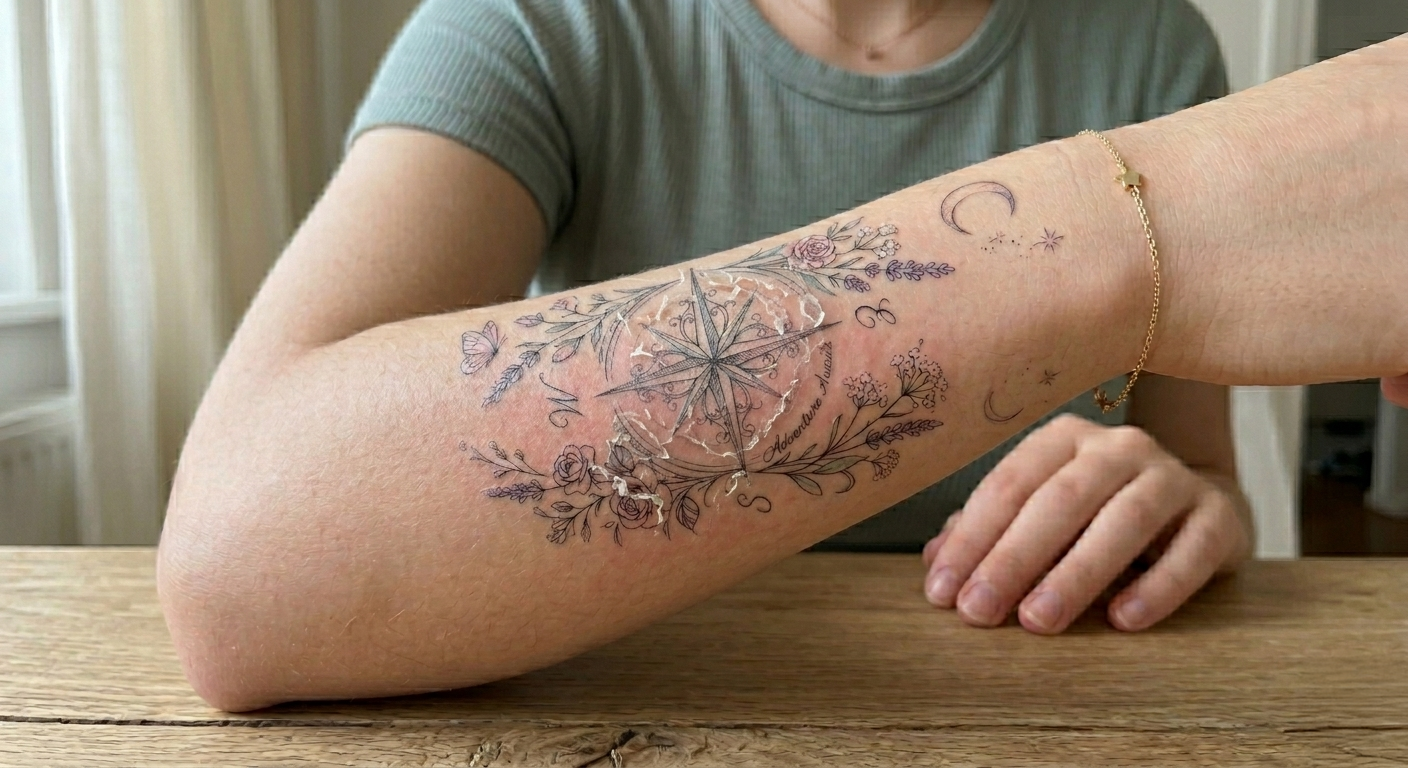
Tattoo Itch & Scarring Worries? What to Do After Getting Inked

Getting a tattoo is a beautiful way to express yourself, but for many girls, the itching and fear of scarring afterwards can turn into a big worry.
Especially a few days or weeks after the tattoo, the inked area may become red and itchy, or even develop hard lumps and raised scars. This makes many girls anxious — worried they won’t dare wear off-shoulder or backless outfits in summer, or even earrings if the tattoo is on the earlobes.
Although post-tattoo scarring can be stubborn, it is not completely uncontrollable. The key is early and correct care, plus consistent daily management. Below is a clear guide starting from why tattoos scar easily, so you can handle and prevent scarring with confidence while still enjoying your beautiful ink.
Why Do Tattoos Scar Easily? High-Risk Areas to Watch Out For
A tattoo is essentially a controlled injury to the skin — the needle pierces the dermis layer and injects ink. This triggers the body’s repair process. If healing is not managed well, fibroblasts can become overactive and produce too much collagen, leading to scar tissue growth or raised scars.
High-risk areas include:
-
Chest, shoulders, and back (thinner skin and prone to friction)
-
Earlobes, wrists, and ankles (easily stretched or pulled)
-
Jawline and collarbone (poorer blood circulation and slower healing)
Girls with keloid-prone skin have a much higher chance of scarring after getting a tattoo.
When Is the Best Time to Start Aftercare for Maximum Effectiveness?

Many girls are unsure when to begin proper aftercare, and end up missing the golden window.
Best timing: Start specialised repair care 7–14 days after the tattoo, once the wound has fully closed, scabs have naturally fallen off, and there is no open wound or heavy oozing. Starting too early may irritate the fresh tattoo, while starting too late makes it harder to control scar growth. Early and correct care can significantly reduce the risk of scarring.
What Should Girls with Keloid-Prone Skin Watch Out For When Getting a Tattoo?
Girls with keloid-prone skin face higher risks — once scarring starts, the keloid can keep growing larger.
Important precautions:
-
Always inform your tattoo artist about your keloid tendency beforehand
-
Choose a reputable, hygienic studio with experienced artists
-
Strictly follow aftercare instructions and avoid friction or direct sun exposure
-
Prepare a low-irritation repair product to intervene early if inflammation appears
If you notice redness, hard lumps, or persistent itching after the tattoo, see a doctor immediately instead of handling it yourself.
Daily Management & Prevention of Tattoo Scar Recurrence
Good daily management after a tattoo is crucial to prevent scarring from getting worse or recurring. Here are the key things to do:
-
Gentle cleansing and moisturising: Clean the area daily with mild products and keep the skin hydrated but not greasy.
-
Strict sun protection: Tattoo areas are very sensitive to UV rays — apply physical sunscreen daily and reapply regularly.
-
Avoid friction: Don’t let backpack straps or tight clothing rub against the tattoo for long periods.
-
Healthy lifestyle habits: Get enough sleep, stay hydrated, and reduce spicy or sweet foods to lower internal inflammation.
Recommended Low-Irritation Repair Product for Tattoo Scars

For girls worried about scarring or itching after a tattoo, product choice matters a lot. Traditional silicone gels are common but can feel sticky and occlusive, which may worsen discomfort in hot weather.
Herbap Matrix Scar Repair Gel is a trusted choice for many girls dealing with tattoo scars. It uses DSM cell-directed formulation and SDAA antibacterial formulation, offering 8 major benefits including inhibiting scar tissue proliferation, softening tissue, fading scars, accelerating repair, and being low-irritation and safe. Its lightweight and breathable texture makes it ideal for long-term use after tattoos. It helps control itching and prevents scar overgrowth, keeping your tattoo colours clear and beautiful.
Many girls shared that after using Herbap Matrix Scar Repair Gel, the itching around their tattoo reduced significantly, redness calmed down, and the scar stopped growing further. After 2–3 months of consistent use, quite a few noticed their tattoo colours stayed vibrant while the scarred texture became much smoother — giving them the confidence to show off their ink again.
You are not alone if you’re dealing with post-tattoo itching and scarring worries. With early correct care and the right low-irritation product, most girls can effectively manage the situation and enjoy their tattoo without regret.
For more tattoo aftercare tips and real user experiences, feel free to explore the Health Resources section on Herbap Matrix. Let’s take care of your confident, beautiful skin together.
Share:
Most Asked Scar-Fading Q&A: All Your Questions Answered
Post-Surgical Scar Care: Three Things Still Needed After the Wound Has Healed (Sun Protection, Timing, Consistency)